
Cost to Paint a Bedroom in 2026 (Homeowner Cost Guide)
Learn how much to paint a bedroom in 2026. See typical costs by room size, paint type, labor, preparation, and factors that…
Read moreProfessional kitchen painting typically costs about $570 to $1,210, with an average of around $800. Smaller kitchens with limited preparation may cost less, while larger or more detailed projects can cost more. Your final price depends on the kitchen's size, the surfaces being painted, condition of the walls, paint quality, number of coats, and local labor rates.
For many homeowners, painting the kitchen walls is considerably less expensive than painting the entire kitchen. Adding the ceiling, trim, doors, or extensive preparation increases the total. Cabinet painting is a separate service and should be priced independently because it requires a more detailed preparation and finishing process.
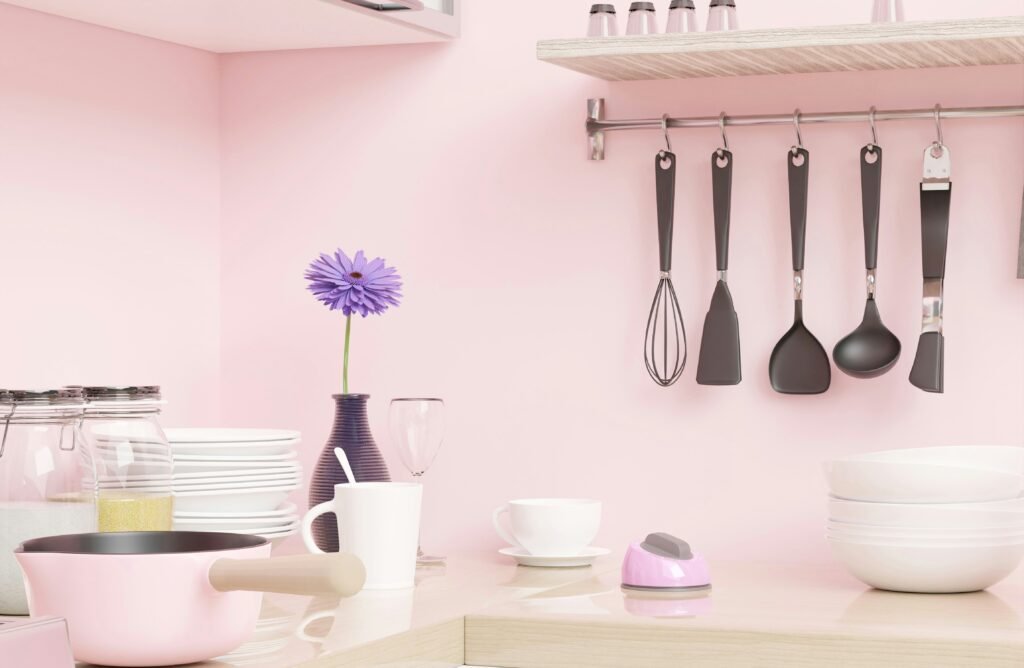
The average professional kitchen painting project costs approximately $570 to $1,210, with many homeowners spending around $800. A basic project may involve painting only the exposed walls, while a more comprehensive job can include walls, ceiling, trim, doors, and additional preparation. As a general planning figure, professional interior painting commonly falls around $2 to $6 per square foot, although painters may calculate kitchen projects differently depending on the amount of actual paintable surface and the complexity of the room.
| Kitchen Painting Scope | Typical Cost Range |
|---|---|
| Walls only | $150–$600 |
| Walls + ceiling | $300–$900 |
| Walls + trim/baseboards | $400–$1,200 |
| Full kitchen excluding cabinets | $570–$1,210+ |
| Cabinet painting | Separate service |
These are planning ranges rather than fixed quotes. Kitchen layouts, wall condition, accessibility, local labor rates and the amount of preparation can move the final price considerably.
For a standard kitchen, about $800 is a useful national planning figure for professional painting. Current market data places many projects between approximately $570 and $1,210.
The scope of work makes a major difference. Painting exposed walls alone requires less labor than painting walls plus ceilings, trim and doors. Kitchens can also require more preparation than bedrooms or other rooms because cooking creates grease, food splatter and moisture that can interfere with paint adhesion.
A professional estimate should account for:
If cabinets are included, ask for a separate cabinet-painting price rather than assuming it is included in the standard room-painting estimate.
Kitchen size affects the amount of paint and labor required, but the room's floor area is not the only measurement that matters. Cabinets, appliances, windows and backsplashes can cover a significant amount of wall space, reducing the actual area that needs paint. Using the current $2–$6 per square foot planning range, approximate costs can look like this:
| Kitchen Size | Approximate Painting Range |
|---|---|
| 70 sq. ft. | $140–$420 |
| 100 sq. ft. | $200–$600 |
| 150 sq. ft. | $300–$900 |
| 200 sq. ft. | $400–$1,200 |
| 250+ sq. ft. | $500–$1,500+ |
These figures should be treated as broad planning ranges rather than a direct quote. A small kitchen can still have a relatively high project price because painters may have minimum labor charges, while a larger kitchen may have more paintable surface and require additional preparation. A compact kitchen with clean walls and minimal trim may cost considerably less than a larger kitchen with grease buildup, damaged drywall, multiple doors and detailed molding.
Painting kitchen walls alone generally costs less than painting the entire room. Current market estimates put kitchen wall painting at roughly $150 to $600, depending on the size of the kitchen, amount of exposed wall area, preparation and local labor rates.
Kitchen walls often require careful cutting around:
The amount of exposed wall can therefore be much smaller than the kitchen’s total floor area.
Wall painting can cost more when the surfaces require:
A clean, previously painted wall in good condition will generally require less preparation than a stained or damaged surface.
Painting the ceiling and trim adds labor because these surfaces require additional masking, cutting and detail work. Current interior painting data places ceiling painting around $1-$3 per square foot, while trim and baseboards commonly fall around $1-$3 per linear foot, with more complex trim potentially costing more.
For kitchen projects, adding the ceiling can bring a basic wall-painting project into the $300-$900 range, while adding trim and baseboards can push the project toward $400-$1,200, depending on the scope.
Kitchen doors can also be included in the painting project. Standard interior doors are commonly priced separately because they require additional masking, preparation and detail work. The cost depends on the number of doors, door size, existing paint condition, whether both sides are painted, the number of coats, door material, and the amount of sanding or repair required.
If the kitchen has several doors, ask the painter to identify them separately on the estimate so you can see how much they contribute to the total.
Larger kitchens generally require more labor and materials. However, the layout is also important — a kitchen with numerous cabinets, appliances, windows and corners can take more time because the painter must carefully cut around obstacles.
Walls with holes, cracks, peeling paint or damaged drywall require additional preparation before painting. Painting directly over a poorly prepared surface can result in visible imperfections and premature peeling.
Kitchen walls are exposed to cooking grease, smoke, food splashes and moisture. These contaminants can prevent paint from bonding properly, so professional preparation may include degreasing and washing before sanding, patching and priming.
Primer is not necessarily required for every repaint, but it can be important when surfaces are stained, repaired, porous or significantly different in color. It helps create a more consistent surface and improves the finish coats.
Higher-quality paints generally cost more but can offer better coverage, durability and washability. Since kitchen walls are frequently exposed to splashes and require regular cleaning, choosing an appropriate interior paint is particularly important.
A single coat may not provide sufficient coverage, especially when changing from a dark color to a lighter shade or when the existing surface is uneven. Two finish coats are common for most professional projects.
Labor often represents a significant portion of a professional painting estimate. Painters may charge hourly, by surface area or as a flat project price — current market sources place rates broadly around $20-$100 per hour.
The finish affects both appearance and maintenance. For most kitchen walls, satin or semi-gloss can be practical choices when easy cleaning is a priority.
Low sheen but generally harder to clean.
Low sheen with better washability.
Durable and easier to clean, making it a common kitchen choice.
Higher sheen and good resistance to moisture and cleaning.
Very durable and washable but highlights surface imperfections.
Painting kitchen walls and painting kitchen cabinets are not the same service.
Wall painting usually involves cleaning, preparation, masking, priming where necessary and applying finish coats to the exposed walls. Cabinet painting requires substantially more detailed preparation because cabinets are touched frequently and need a durable finish.
Cabinet painting may involve:
Because cabinet painting requires additional labor and specialized finishing techniques, it should be estimated separately from the cost of painting kitchen walls. For professional cabinet painting, current market sources show considerably wider pricing than standard wall painting, with costs varying based on cabinet count, material, condition, application method and finish.
If you are specifically looking for cabinet pricing, see our cabinet painting service page.
Kitchen walls need a finish that can handle regular cleaning and everyday activity. Satin is a strong all-around choice because it provides a moderate sheen while remaining relatively easy to clean. Semi-gloss provides more moisture and stain resistance and can work particularly well in areas exposed to frequent splashes.
Eggshell can also be appropriate when you prefer a softer appearance, although it generally does not provide the same level of washability as higher-sheen finishes. The best option ultimately depends on the wall condition, desired appearance and manufacturer’s specifications.
Preparation is one of the most important parts of a professional kitchen painting project.
Proper preparation may add to the upfront cost, but it helps produce a smoother and more durable result.
DIY painting can reduce labor costs, but kitchen painting can be more complicated than simply rolling paint onto the walls.
A DIY project requires you to purchase paint and supplies such as:
Professional painters bring the equipment and experience needed for preparation, clean cutting around cabinets and fixtures, consistent coverage and efficient cleanup.
Professional painting may make more sense when the kitchen has extensive grease buildup, damaged walls, high ceilings, multiple surfaces or a demanding color change.
For a straightforward kitchen with clean, accessible walls, DIY painting can be a reasonable option if you have the necessary time and skills.
Professional kitchen painting typically costs around $570–$1,210, with an average of approximately $800. The final price depends on kitchen size, surface condition, preparation, paint quality and the surfaces included.
Kitchen walls alone can cost roughly $150–$600, depending on the amount of exposed wall area, preparation requirements and local labor rates.
Not usually. Cabinet painting should be treated as a separate service because cabinets require additional cleaning, sanding, priming, finishing and hardware removal.
Satin and semi-gloss are commonly practical choices because they are easier to clean than flat finishes. The best finish depends on the surface and the desired appearance.
Not every kitchen requires primer, but it can be necessary for stained, repaired, porous or difficult surfaces. A professional can determine whether primer is appropriate after inspecting the walls.
Adding a kitchen ceiling can increase the overall project cost substantially. Current market guides place ceiling painting around $1–$3 per square foot, although actual kitchen pricing depends on size, height and preparation.
A straightforward kitchen can often be completed within a short project window, but preparation, drying time, multiple coats, trim and additional surfaces can extend the schedule. Your painter should provide a project-specific timeline with the estimate.
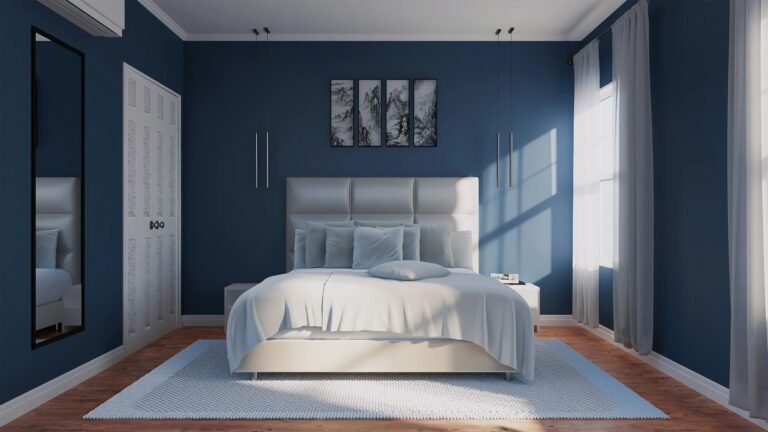
Learn how much to paint a bedroom in 2026. See typical costs by room size, paint type, labor, preparation, and factors that…
Read more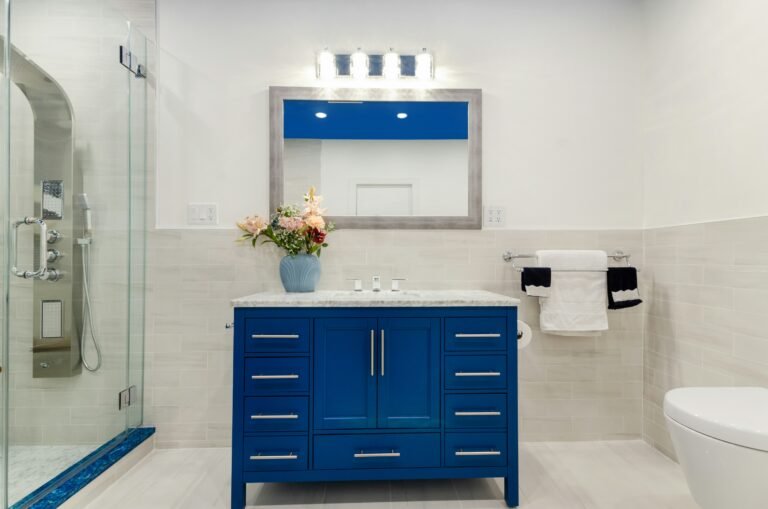
Learn the cost to repaint a bathroom in 2026. See bathroom painting costs by size, paint type, labor, prep work, and factors…
Read moreReady to refresh your kitchen? House Painting Specialists can help you determine exactly what needs to be painted and provide a clear estimate based on your kitchen's size, surfaces, condition and preparation requirements.
Whether you need the walls refreshed, the ceiling repainted, or the entire room updated, our professional painters can help you achieve a clean, durable finish.