
How Much Does It Cost to Paint a House in 2026?
How much does it cost to paint a house in 2026? Compare interior, exterior, whole-home and state-specific painting costs for four U.S.…
Read moreInterior house painting is a practical way to refresh a home's appearance, protect finished surfaces, and improve the look and feel of individual rooms. The final cost depends on the home's size, number of rooms, wall condition, paint quality, ceiling height, preparation, and the surfaces included in the project.
House Painting Specialists provides professional interior painting solutions designed around the property's condition, desired finish, and project requirements. Understanding the main cost factors can help homeowners set a realistic budget and compare estimates more effectively.
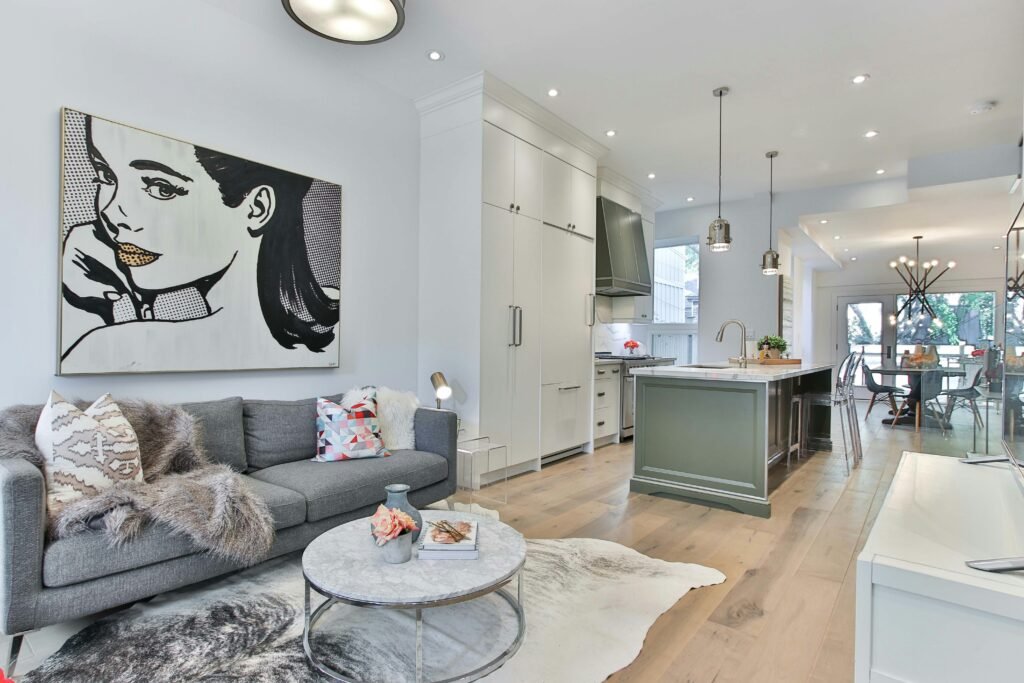
Interior house painting commonly costs approximately $2,000-$6,000 for many standard homes, although smaller projects can cost less and larger or more detailed projects can exceed this range.
These are planning ranges rather than guaranteed quotes. The actual price should be based on the home’s paintable surfaces, project scope, preparation requirements, and local labor costs.
For a broader overview, see our House Painting Cost Guide.
Approximately $500-$2,000, depending on the number of rooms and preparation required.
Approximately $2,000-$6,000 for a typical home with moderate preparation.
Approximately $5,000-$10,000+, particularly when ceilings, trim, doors, and additional preparation are included.
Costs can exceed $10,000 when extensive repairs, high ceilings, specialty finishes, or large amounts of trim are involved.
Room size, wall condition, ceiling height, and the number of surfaces being painted all affect the final price.
A standard bedroom may cost approximately $300-$800 to paint, depending on its size and condition. A straightforward bedroom with sound walls and standard ceilings will generally require less preparation than a room with damaged drywall, high ceilings, or extensive trim.
Bathroom painting can cost approximately $200-$700 for many standard projects. Moisture-resistant paint and additional preparation may be recommended because bathrooms experience regular humidity and cleaning. Larger primary bathrooms or projects requiring repairs can cost more.
Kitchen painting commonly costs approximately $400-$1,200, depending on wall area, preparation, and whether additional surfaces are included. Grease, stains, cabinets, appliances, and fixtures can make preparation more involved. Cabinet painting should generally be priced separately from standard wall painting.
A living room may cost approximately $500-$1,200 to paint, depending on its size, ceiling height, trim, and wall condition. Large open-plan living areas, fireplaces, built-ins, and high or vaulted ceilings can increase labor requirements.
Painting a ceiling may add approximately $150-$400 per room when priced separately. Textured ceilings, high ceilings, and ceilings requiring extensive preparation can increase the cost.
Trim and baseboards can add approximately $2-$5 per linear foot, depending on their condition and the level of preparation required. Doors, window trim, crown molding, and detailed woodwork generally require more labor than large wall surfaces.
Home size provides a useful starting point, but square footage alone does not determine the final price.
These ranges are budgeting examples rather than guaranteed project prices.
Interior painting commonly falls around $2-$6 per square foot, depending on what is included in the project.
Contractors may calculate pricing using actual paintable surface area rather than the home's floor area — a 2,000-square-foot house does not necessarily have only 2,000 square feet of surfaces to paint.
Larger homes generally require more paint, preparation, and labor. However, the number of rooms and paintable surfaces can be more important than floor area alone.
Holes, cracks, peeling paint, stains, and damaged drywall can require patching, sanding, caulking, or priming before painting.
Paint prices vary by brand, quality, coverage, durability, and finish. Premium products can increase material costs but may be appropriate for high-traffic areas or rooms exposed to moisture.
A straightforward repaint may require fewer coats than a significant color change. Dark colors, stains, uneven surfaces, and certain existing finishes may require additional primer or coats.
Painting baseboards, doors, window trim, crown molding, and other detailed surfaces requires additional preparation and careful application.
Preparation can include moving or protecting furniture, repairing walls, sanding, caulking, cleaning, and priming. Extensive preparation can significantly increase labor requirements.
High ceilings, stairwells, vaulted areas, and difficult-to-reach surfaces can require additional equipment and labor, increasing the overall project cost.
The time required for interior painting depends on the home’s size, number of rooms, preparation, number of coats, drying time, and project complexity.
These are planning ranges rather than guaranteed schedules. Furniture, repairs, drying conditions, and unexpected surface issues can extend the project.
Choosing the right contractor can be just as important as selecting the paint.
Choose a contractor experienced with residential interior projects and the surfaces included in your project.
Ask about licensing, insurance, relevant experience, and any certifications claimed by the contractor. Credentials should be independently verifiable.
A professional estimate should clearly identify the rooms and surfaces being painted, preparation work, paint products, number of coats, repairs, cleanup, and exclusions.
The lowest estimate is not necessarily the best value. Compare preparation, materials, workmanship, project scope, timeline, and warranty terms before making a decision.
Interior Painting ServicesReview what each contractor includes rather than comparing only the final price.
Moving furniture or removing wall decorations may reduce preparation time when agreed upon with the contractor.
Painting several rooms during one project can reduce repeated setup and scheduling.
Staying relatively close to the existing color can sometimes reduce the amount of additional coverage required.
Premium products can be reserved for high-traffic or moisture-prone areas where their additional durability provides value.
Completing related work at the same time can help avoid paying for separate preparation and setup later.
Interior house painting commonly costs approximately $2,000-$6,000 for many standard homes. Larger homes, extensive preparation, high ceilings, and additional surfaces can increase the final price.
Interior painting commonly ranges from approximately $2-$6 per square foot, depending on whether the project includes walls, ceilings, trim, doors, preparation, and premium materials.
A single room may cost approximately $200-$1,200, depending on room size, wall condition, ceiling height, paint type, and the surfaces included.
A single room may take around 1-2 days, while a standard whole-home interior project can take approximately 3-7 days. Larger or more complex projects may take longer.
Yes. High, vaulted, or cathedral ceilings require additional equipment and labor. Stairwells and difficult-to-access areas can also increase the project price.
Professional painting can save homeowners significant time while providing more consistent preparation and finishing. It can be particularly valuable for larger homes, high ceilings, extensive preparation, or projects involving multiple rooms.
How much does it cost to paint a house in 2026? Compare interior, exterior, whole-home and state-specific painting costs for four U.S.…
Read moreInterior painting is a significant home improvement project, and understanding the expected cost can help you plan before work begins. Home size, room count, surface condition, paint quality, preparation, trim, ceilings, and accessibility all influence the final price.
House Painting Specialists provides professional Interior Painting Services with project-specific estimates based on your home's actual requirements.