
How Much Does It Cost to Paint a House in 2026?
How much does it cost to paint a house in 2026? Compare interior, exterior, whole-home and state-specific painting costs for four U.S.…
Read morePainting a single room costs $350 to $1,200 with a professional, averaging $600 to $900 for a typical room. Professional pricing runs $2 to $6 per square foot of wall area, or $30 to $60 per hour, with labor accounting for 60-85% of the total.
A DIY paint job costs $100 to $300 in supplies. This guide breaks down pricing by room size, what drives the cost, and what a fair quote should include.
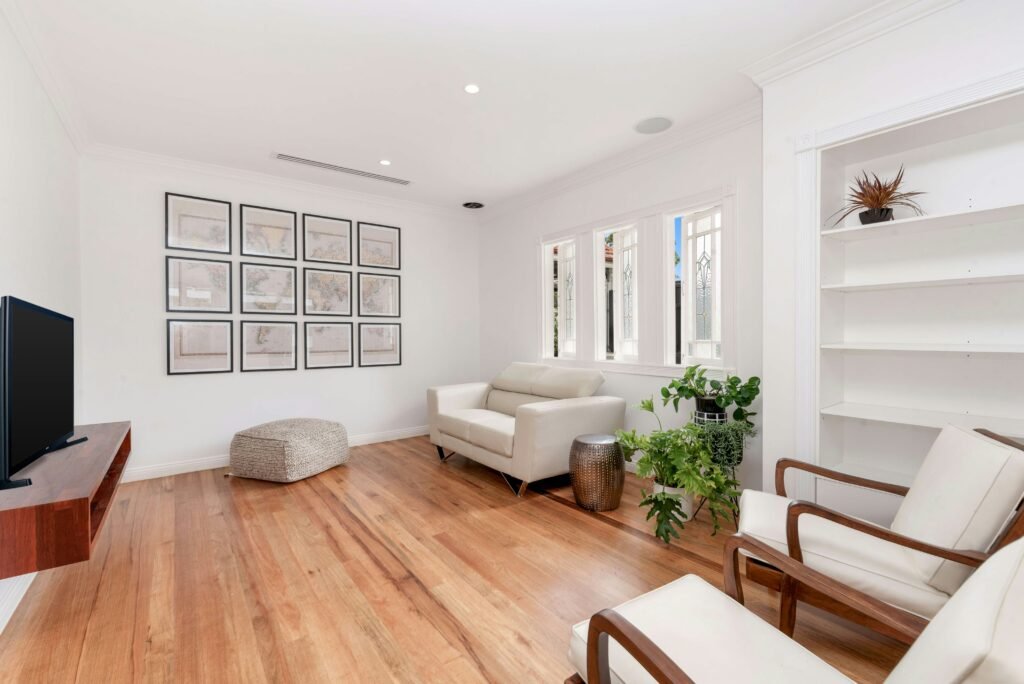
Small rooms under 150 sq ft of wall area cost $200 to $500; medium rooms (150-250 sq ft) run $500 to $850; large rooms (250-350 sq ft) cost $700 to $1,200; extra-large rooms over 350 sq ft can exceed $1,200 to $2,000.
| Room Size Category | Wall Square Footage | Estimated Cost |
|---|---|---|
| Small (closet, powder room, small office) | Under 150 sq ft | $200 to $500 |
| Medium (standard bedroom, hallway) | 150 to 250 sq ft | $500 to $850 |
| Large (primary bedroom, living room) | 250 to 350 sq ft | $700 to $1,200 |
| Extra large (open concept, high ceilings) | 350+ sq ft | $1,200 to $2,000+ |
Quick math: wall area drives price, not floor area. A 10x10 room has 100 sq ft of floor space, but its four 8-foot walls add up to roughly 320 sq ft of paintable surface (40 ft perimeter × 8 ft height) before subtracting doors and windows. A small room with 10-foot ceilings can cost more than a larger room with standard 8-foot ceilings, since total surface area, not footprint, sets the price.
These estimates assume standard 8-foot ceilings, smooth walls in reasonable condition, and two coats of mid-grade paint. They cover walls only; adding ceiling, trim, and doors typically adds another $150 to $400.
~320 sq ft of wall area: $200 to $600 professionally, or under $150 in materials for DIY.
~384 sq ft of wall area — the most commonly quoted size, at $400 to $950, with many jobs landing near $468 to $650. Labor alone typically runs $180 to $650. A standard bedroom is close to this size, so bedroom painting costs usually fall in the same range.
~448 sq ft of wall area: $650 to $1,200, especially once ceiling height, trim, and wall repairs are factored in.
Eight variables stack on top of each other to set the final price: square footage, number of coats, paint grade, wall condition, ceiling height, trim and doors, labor rates, and location.
Cost scales with wall square footage, not the floor plan's shape. A long, narrow room and a square room with the same total wall area cost about the same to paint, since more surface area means more paint and labor hours regardless of layout.
Two coats are standard and already built into per-square-foot pricing. A third coat, often needed for dark colors or covering an existing bold color, adds extra material and labor cost on top of the base estimate.
Cracks, nail holes, water stains, or textured surfaces need extra prep before paint goes on. Patching, sanding, caulking, and priming stained areas are billed separately or folded into a higher rate. Heavily damaged walls can add $100 to $500 or more.
Standard 8-foot ceilings are baked into base pricing. Anything higher — 9-foot, 10-foot, or vaulted — requires ladders or scaffolding and slower work, raising total cost by roughly 20% to 40%.
Walls-only is the cheapest scope. Trim and baseboards add $1 to $3 per linear foot, and ceilings add $1 to $3 per square foot, pushing the overall rate from $2-$3 per sq ft up toward $4.70 to $6.75 per sq ft when everything is included.
Labor makes up 60% to 85% of a typical quote. Painter wages typically run $32 to $48 per hour, while the customer-facing rate runs $30 to $60 per hour. Painters in high cost-of-living areas often charge 20% or more above the national average.
Sheen matters too: flat and matte finishes cost less and hide wall imperfections better, while satin, eggshell, semi-gloss, and gloss cost more but clean up better.
Lower upfront cost, but thinner coverage often needs more coats and durability suffers over time.
The most common choice, balancing cost, coverage, and durability.
Better coverage often needing fewer coats, stronger durability, and better scuff and stain resistance for high-traffic rooms or bold colors. Examples include Benjamin Moore Aura and Sherwin-Williams Emerald.
Most quotes start from wall square footage, not floor square footage:
Not every contractor prices this way. Some use flat project pricing by room type and size, and many set a minimum charge per job, since a small room still takes similar setup and cleanup time as a larger one.
A homeowner in Round Rock, Texas repaints a 12×12 primary bedroom, changing the wall color from beige to navy blue. The color change needs an extra coat for full coverage, and two nail holes need patching before priming. A two-person crew completes patching, priming, and two coats of premium paint in one day, for a total of $610 — within the $400 to $950 range typical for that room size, with the color change and minor repairs pushing the price above the low end.
Repainting an existing room typically costs more than painting bare drywall at the same square footage, because it adds furniture protection, patching old damage, extra coats to cover a dark or bold existing color, and more careful cutting-in around trim and fixtures.
New or bare drywall costs less per square foot since there’s no furniture to move, though it still needs a dedicated primer coat first, since raw drywall absorbs paint unevenly without one. Budget a 10% to 15% contingency on any repaint for extra coats, hidden wall damage, or last-minute color changes.
$100 to $300 in supplies (1-2 gallons of paint plus tape, rollers, and brushes), typically a full weekend once furniture moving, taping, and dry time between coats are factored in. Finish quality depends on your skill with cutting in edges and avoiding roller marks.
A handyman usually costs less than a dedicated painting contractor but carries more risk of a longer timeline or upcharges — fine for a simple room, while an experienced contractor is the safer bet for textured walls, water stains, or bold color changes.
A trustworthy estimate is a line-item breakdown, not a single flat number, and states clearly whether each of these is included or priced separately:
Get at least three quotes from local painting contractors before signing, and compare what’s included, not just the bottom-line number. A lower price that excludes prep work or covers only a single coat isn’t necessarily the better deal.
Most rooms cost $350 to $1,200 to paint professionally, with most homeowners spending $600 to $900. DIY costs roughly $100 to $300 in supplies alone.
A standard 12x12 room typically costs $400 to $950, depending on paint quality, wall condition, and whether trim and ceiling are included.
Handyman rates for room painting tend to run lower than a licensed painting contractor's, though pricing varies by market and the scope of prep work involved.
Yes. DIY is significantly cheaper in materials alone, at $100 to $300, but takes considerably more time, and finish quality depends on your experience with taping, cutting in, and applying even coats.
Professional painters typically charge $2 to $6 per square foot for walls, or $30 to $60 per hour, rising toward $4.70 to $6.75 per square foot when ceilings, trim, and doors are included.
It depends on the contractor. Some estimates bundle a primer coat by default, especially for color changes or new drywall, while others list it as a separate line item. Confirm exactly what's covered before you decide.
How much does it cost to paint a house in 2026? Compare interior, exterior, whole-home and state-specific painting costs for four U.S.…
Read more
Learn interior house painting costs in 2026, including room, home-size, and per-square-foot pricing, cost factors, timelines, and contractor tips.
Read more
How much does it cost to paint a kitchen? See 2026 kitchen painting costs, wall, ceiling, trim, prep and labor prices, plus…
Read moreHouse Painting Specialists connects homeowners with trusted, local painting contractors nationwide, serving all 50 states, with dedicated coverage across California, Oregon, Florida, Washington, and Texas markets like Austin, Round Rock, Cedar Park, Georgetown, and Pflugerville.
Request a free quote and get matched with a vetted painter who can give you an accurate price for your room.